• Skip to primary navigation
  • Skip to main content
  • Skip to primary sidebar

Datta Lab

  • Research
  • The Basics
  • Academics
  • Lab Members
  • Life in the Lab
  • Publications
  • Links
  • Contact

Life in the Lab

May 31, 2017

Gaudeamus Igitur 2017!

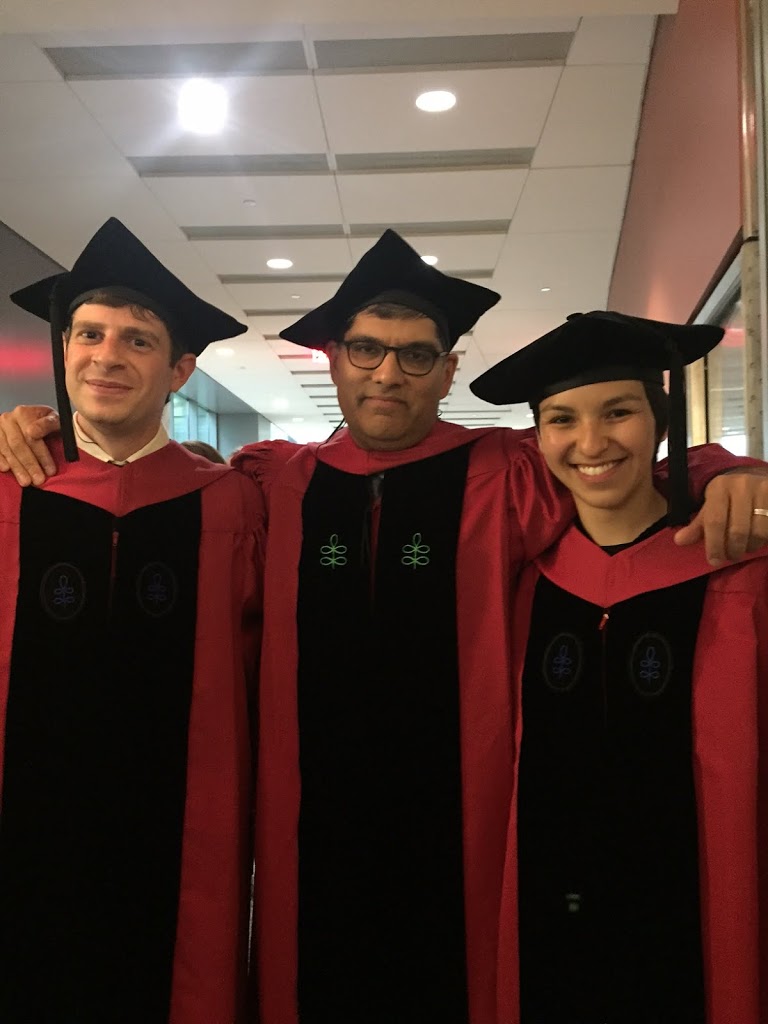
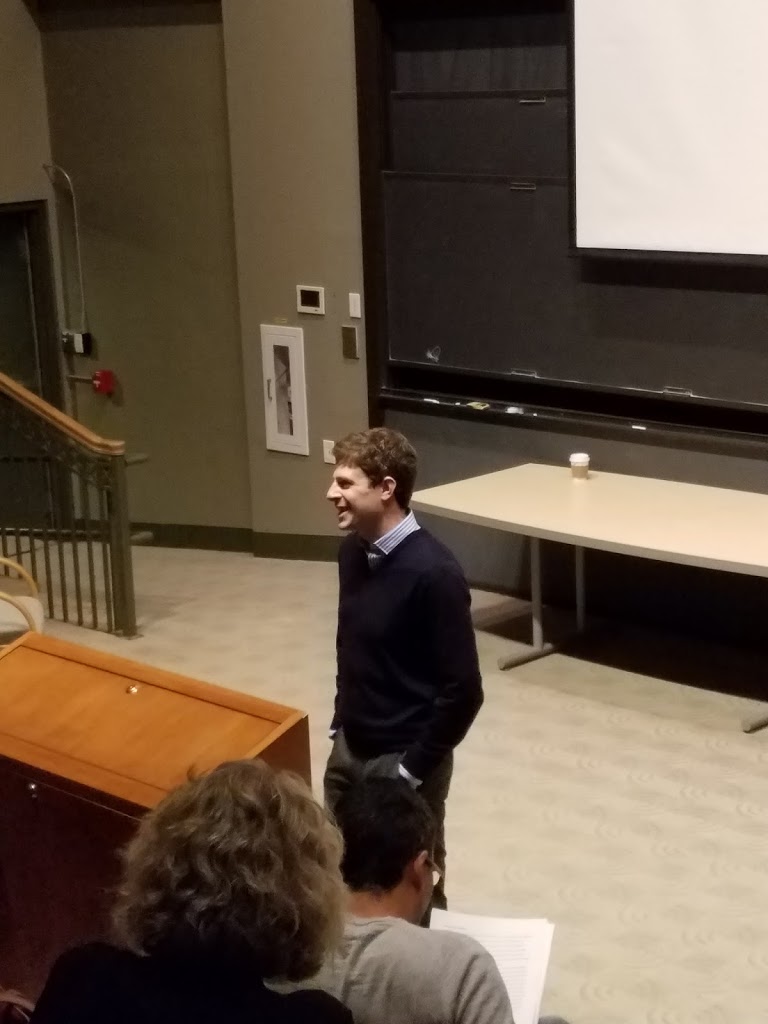
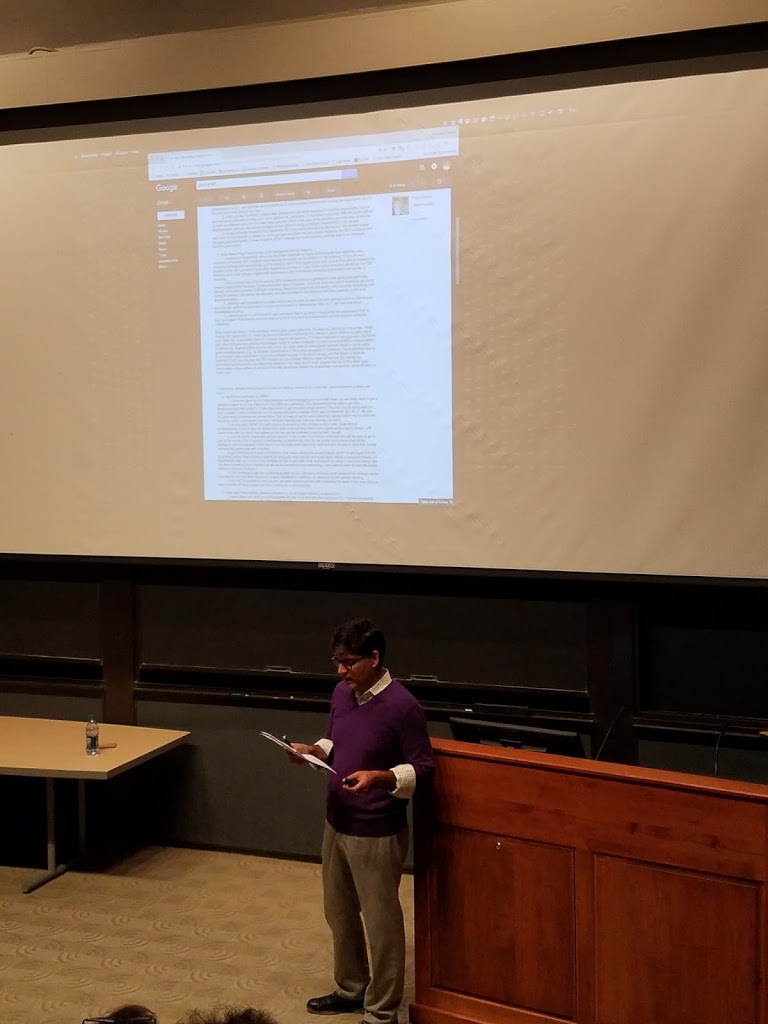
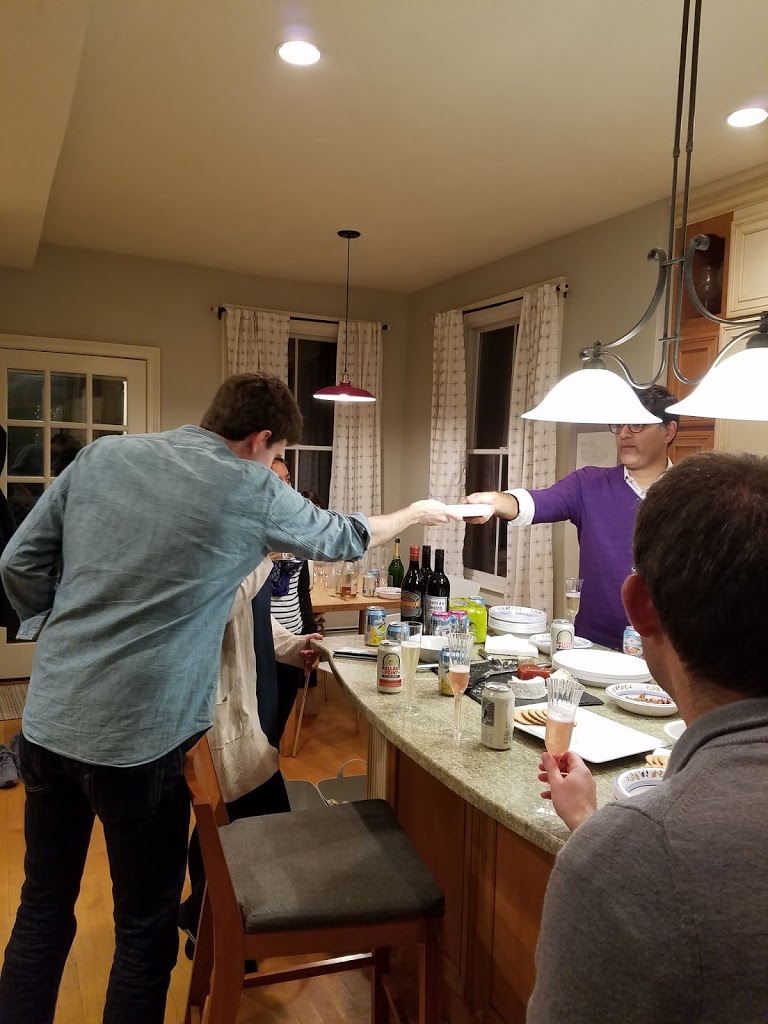
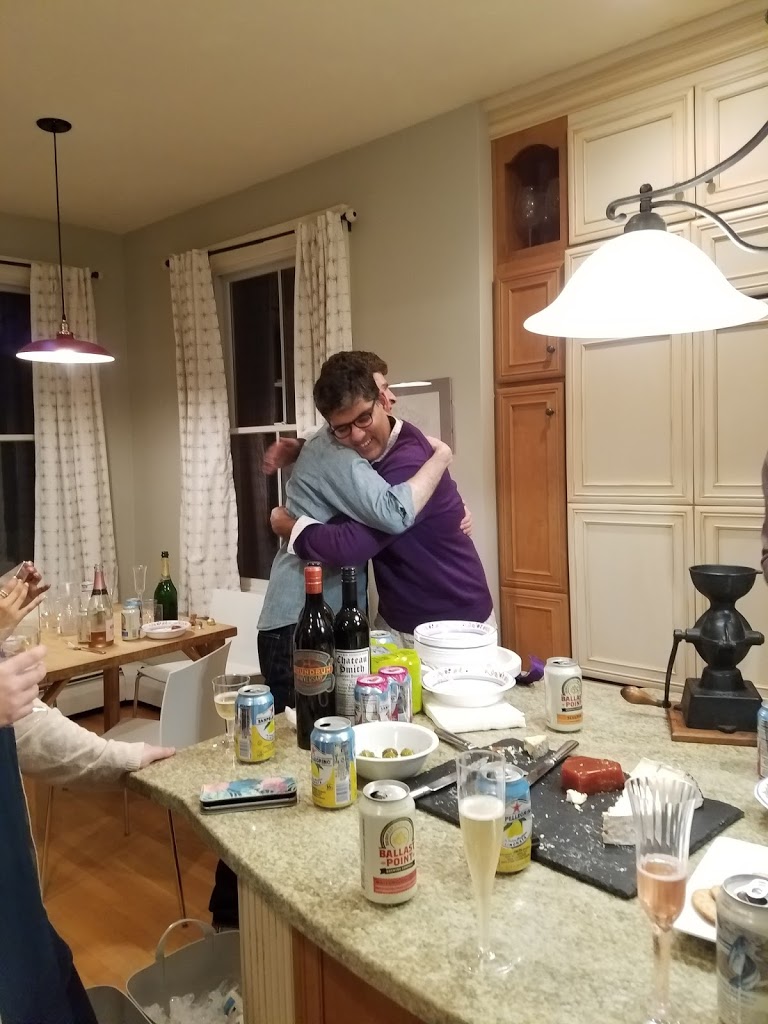
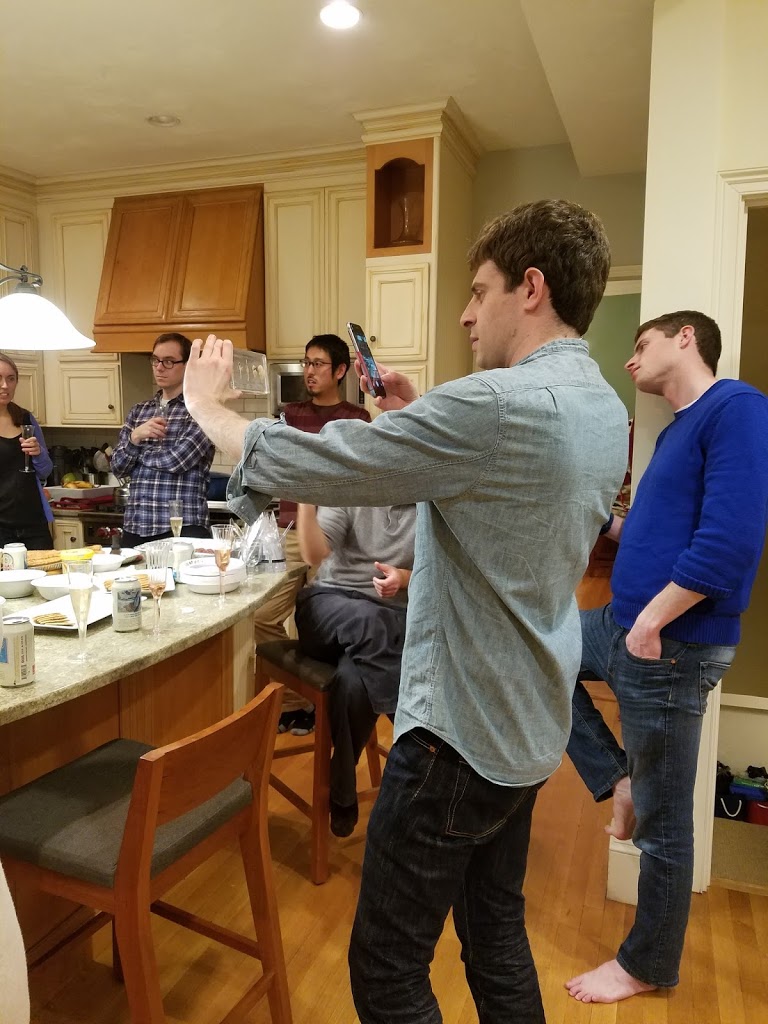
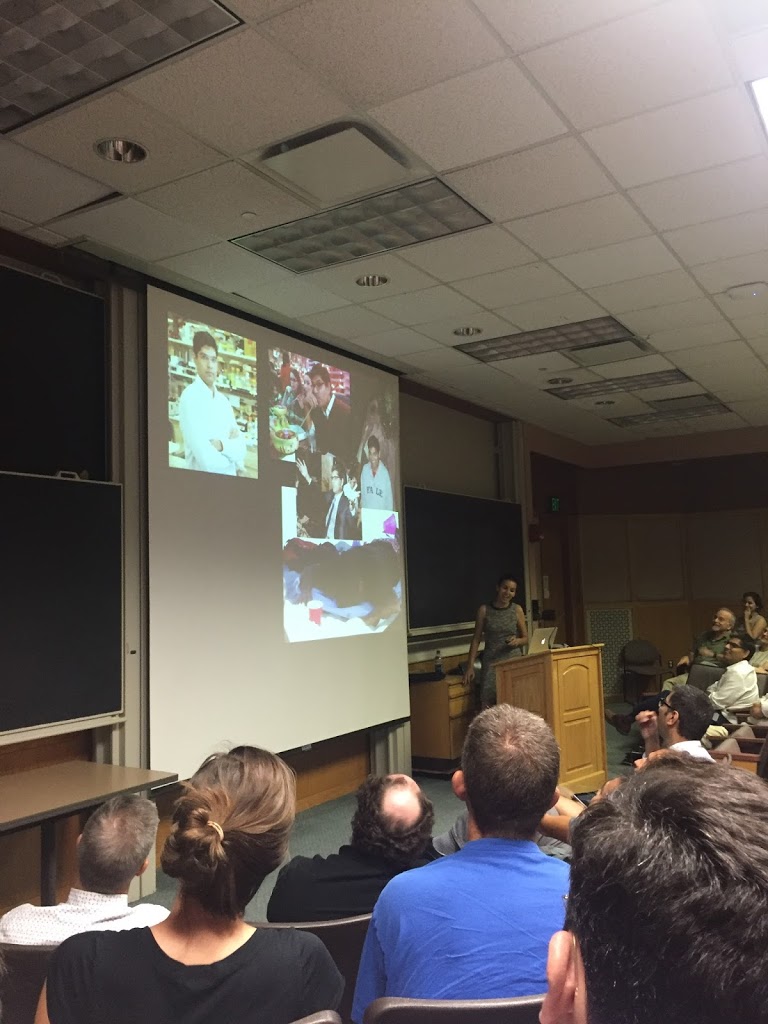
A huge congratulations to Dan Bear and Tari Tan, who graduated with their PhDs this week. On top of all this, as the official DMS Class Day speaker Tari gave an amazing speech about learning to manage uncertainty (which is doubtless at the core of successful science). Dan is heading off in a few weeks to do a postdoc at Stanford with Dan Yamins in computational neuroscience, while Tari, as the inaugural DMS Teaching Fellow, is engineering the revamp of the neuroscience curriculum in the Program in Neuroscience before heading to Max Heiman’s lab at HMS Genetics to do a postdoc. A huge congratulations to both!

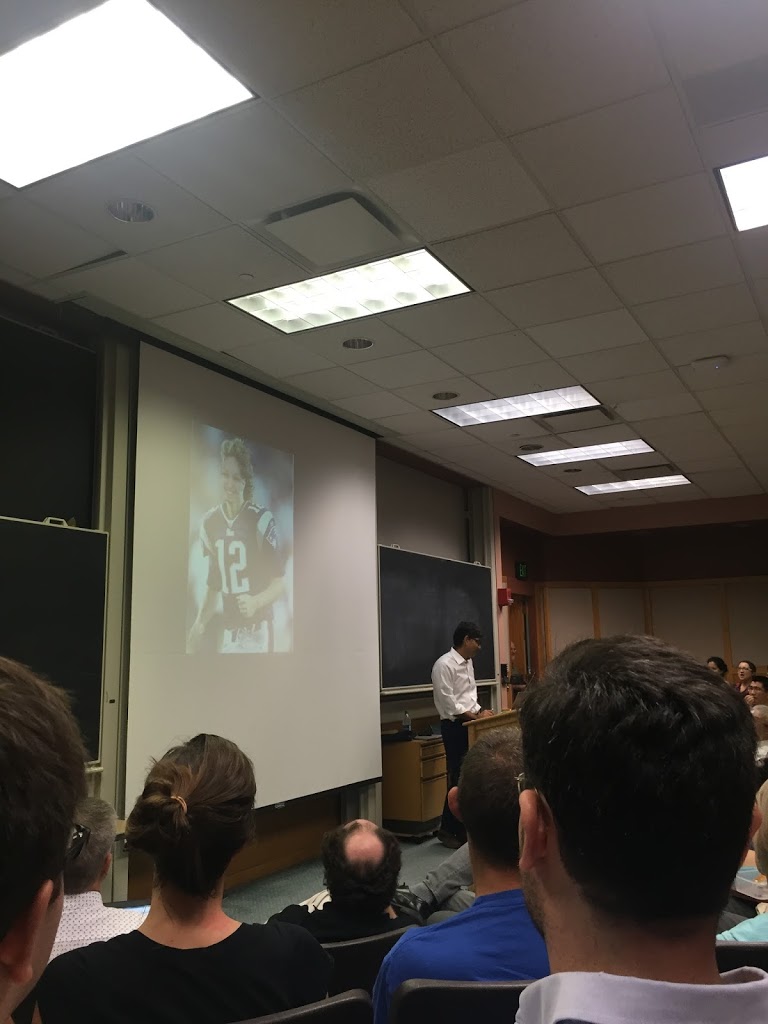
Tari, with certainty, sharing her thoughts about uncertainty to the graduating class
The three wizards!


Posted by Datta Lab

May 4, 2017

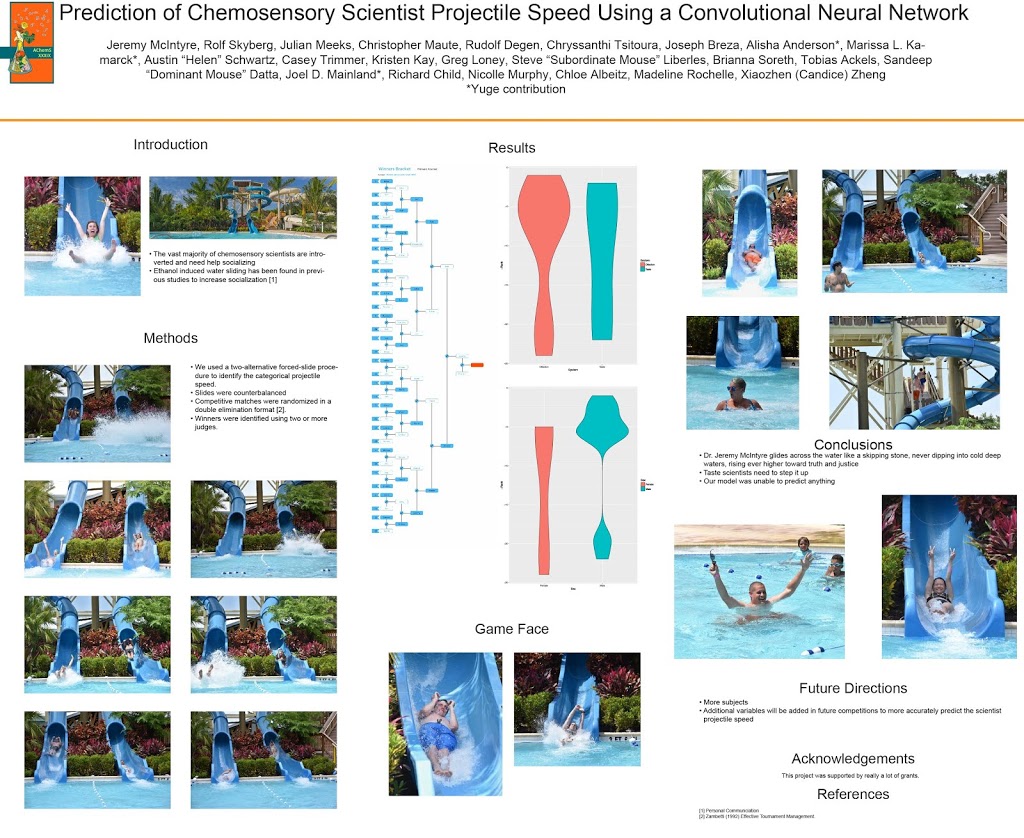
AChems 2017

The important thing is not to come in last.

Posted by Datta Lab

April 13, 2017

How are Odors Linked to Innate Behaviors?

Using a mechanism that is likely much more complicated that we thought! Check out the lab’s most recent paper, from the inimitable Giuliano Iurilli, who performed the first systematic in vivo recordings ever in a part of the brain called the posterolateral cortical amygdala (plCoA), which couples odors (like fox odor or the scent of peanut butter) to different innate behaviors like attraction and aversion. Based upon anatomic and functional data (including from Sosulski et al), we and others predicted that odor representations in the plCoA should be pretty simple – probably labeled lines that either identified particular odors (i.e., we’d find that neurons in plCoA responded only to single innately relevant odors, so some neurons would respond only to fox odor while other neurons would respond only to peanut butter) or categorized odors based upon their behavioral meaning (i.e., we’d find some plCoA neurons that respond to all odors that are appetitive and other that respond to all odors that are aversive). Instead what Giuliano found was that individual neurons in the plCoA do not encode information about odor identity or odor category. Ensembles of neurons in plCoA appear to collectively convey information about the identity of odor objects in the world, and the structure of these ensembles is similar regardless of the identity or behavioral meaning of the odor object being encoded – at least in psuedopopulations of neurons assembled from multiple animals. In other words, odor representations in plCoA, which is known to be involved in innate behaviors, look just like those in the piriform cortex, which is involved in odor learning. This surprise suggests a dual role for the plCoA in both innate and learned behaviors, and new models for how the olfactory system can flexibly generate behaviors to innately-relevant odor cues in the environment. These data don’t definitively rule out labeled lines, but strongly suggest that the plCoA is doing much more than just acting as a relay. Check out his provocative – and exciting – paper here! Yoram Ben Shaul also wrote a great preview of the paper here (for those who want a little more context), and the paper was recently covered by the Simons Foundation (the work was supported in part by the Simons Collaboration on the Global Brain) here. Congrats, Giuliano!

Posted by Datta Lab

February 1, 2017

Blog Post About Behavior….

…but not here. The folks at BioMed Central did a round-up of recent advances in behavioral quantification for neuroscience, and featured work by Alex, Matt, Jeff, Ralph and the rest of Team Behavior in the lab. It also includes a really nice summary of different approaches taken to this general problem, and includes bits and pieces about work by many of our friends and colleagues, including Gordon Berman, Kristen Branson, Megan Carey, Eiman Azim and Adam Hantman, all of whom are making great strides in developing modern methods for behavioral characterization. Blog post can be found at this link: http://blogs.biomedcentral.com/on-biology/2017/01/31/secret-language-behaviour/?utm_content=buffer4bcbf&utm_medium=social&utm_source=twitter.com&utm_campaign=buffer

Posted by Datta Lab

December 29, 2016

Happy Holidays 2016!

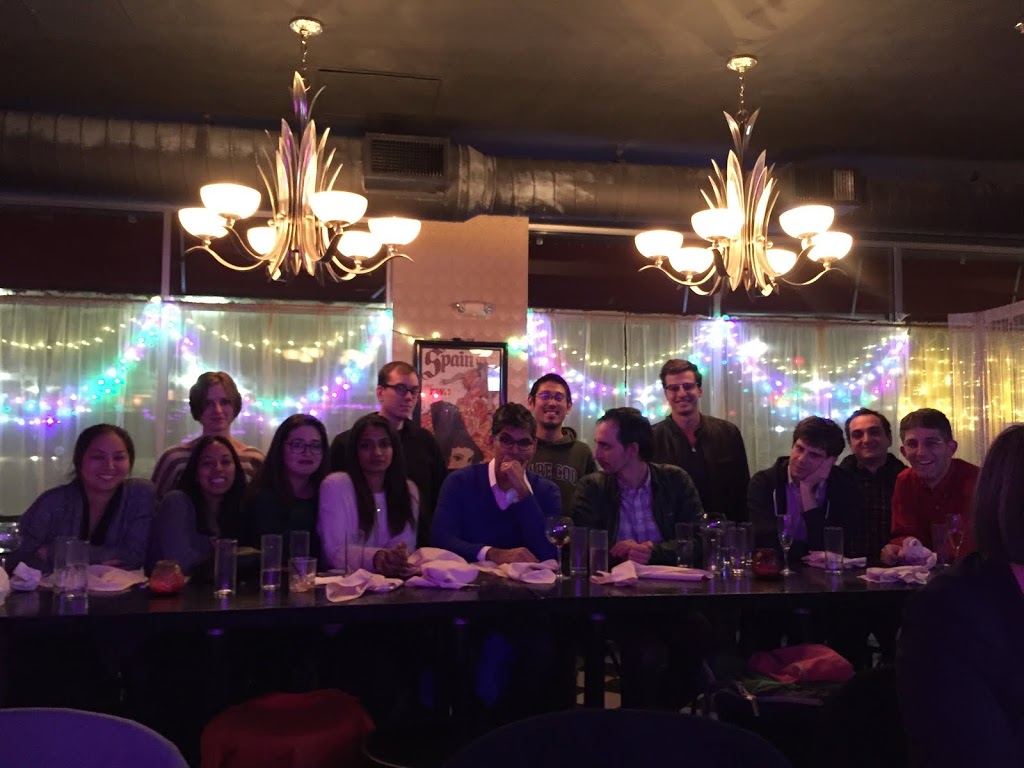
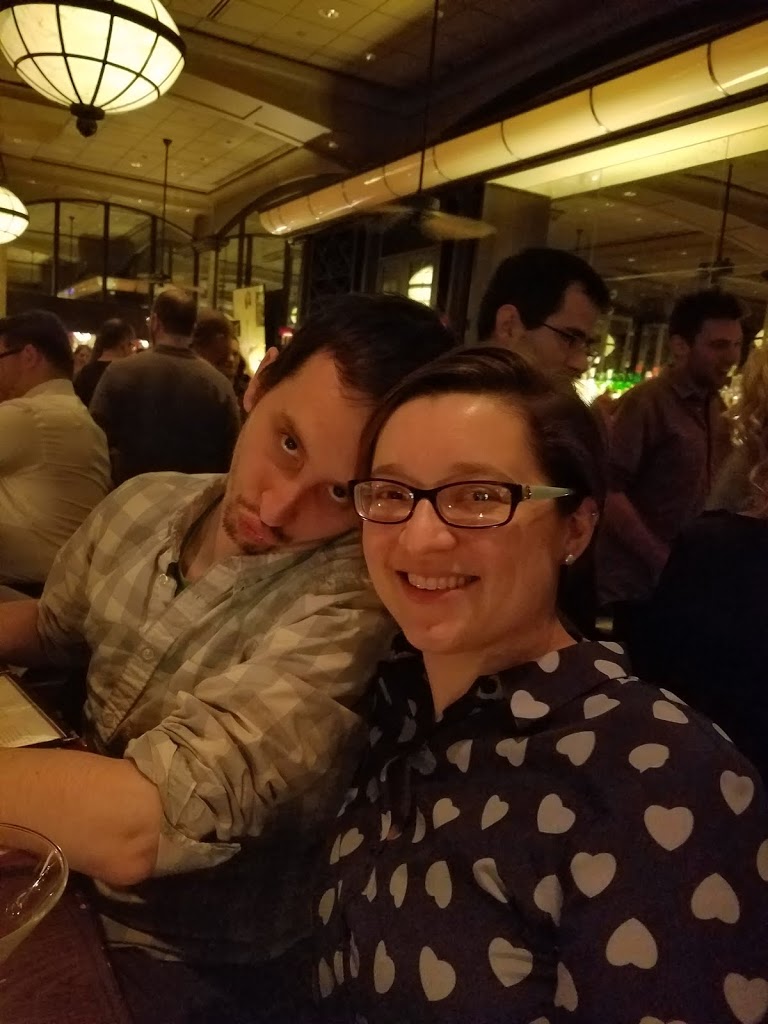
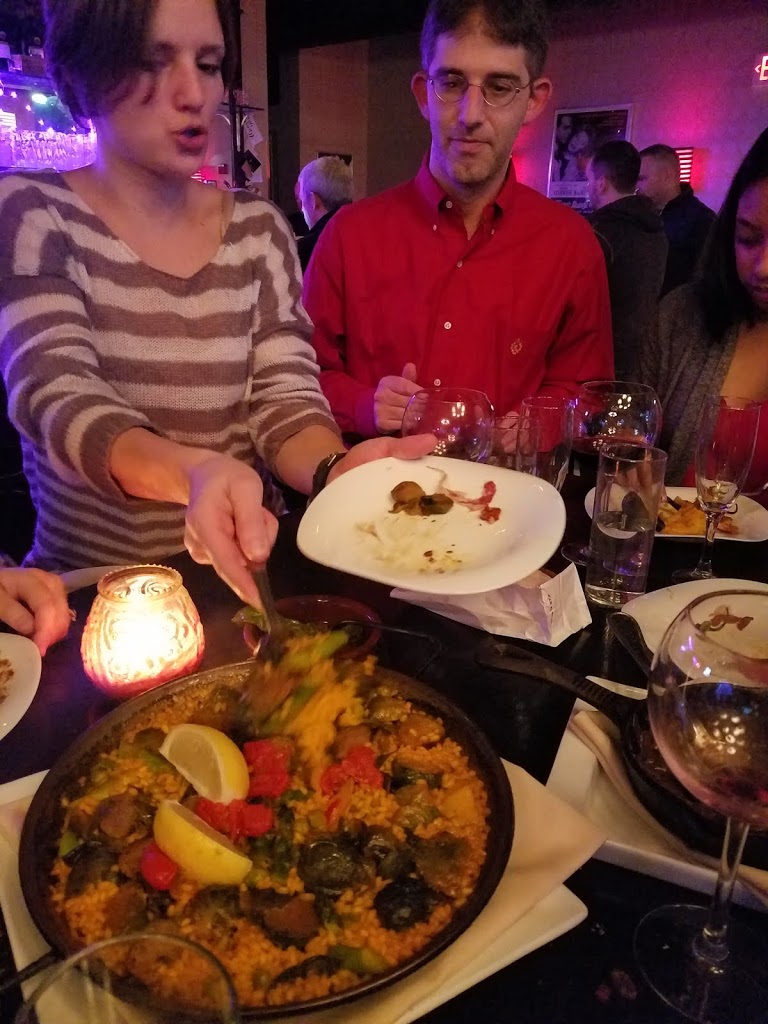
Although in many respects 2016 was a bummer (RIP Prince and Princess Leia), it was a really terrific year for the lab. We celebrated in style with tapas, before bouncing, as is traditional, to Eastern Standard with the Sabalab and Stevens lab for vodka gimlets. Here’s to us all having a happy and productive 2017!

This year, Jeff is Judas

Blue Steel

Paul, having trouble feeding himself

Concerned Co-ops!

Posted by Datta Lab

December 29, 2016

One of the most interesting things about olfaction is….

….its intimate relationship with evolution. In addition to being the largest gene family in mammals, the odorant receptor genes are some of the fastest evolving. This suggests that perception is being sculpted on rapid timescales to enable individual species to detect and respond to those specific scents that are most critical for their survival and reproduction. Dan Bear (along with Jean Marc Lassance and Hopi Hoekstra) recently wrote a great review on what we can learn about smell by looking at evolutionary dynamics in Current Biology, which can be found here. It is part of a great review issue on evolution and the nervous system – check it out!

Posted by Datta Lab

December 28, 2016

Congrats to Dan Bear, PhD!

A hearty mazeltov to Dan Bear, who recently gave a beautiful thesis defense and earned his PhD. Dan worked on the Ms4a genes, a new class of olfactory receptor he discovered (along with his colleague in the lab and benchmate, Paul Greer) that mediates sensory responses in the necklace olfactory subsystem (check out his super-cool paper here). Β In addition to being an amazing scientist, knowing at least two pluralizations of “octopus” that are not “octopuses” or the incorrect “octopi,” and the only person who really knows what is in Thom Yorke’s heart, Dan both set the bar really high for the lab and defined many of the problems we are working on now. Thankfully for us, he is sticking around for a few months to finish up the follow-up to the first Ms4a paper, so it is not goodbye yet – just congrats at a job well done!

Dan deftly answering questions at his defense


The famous 10,000-word email


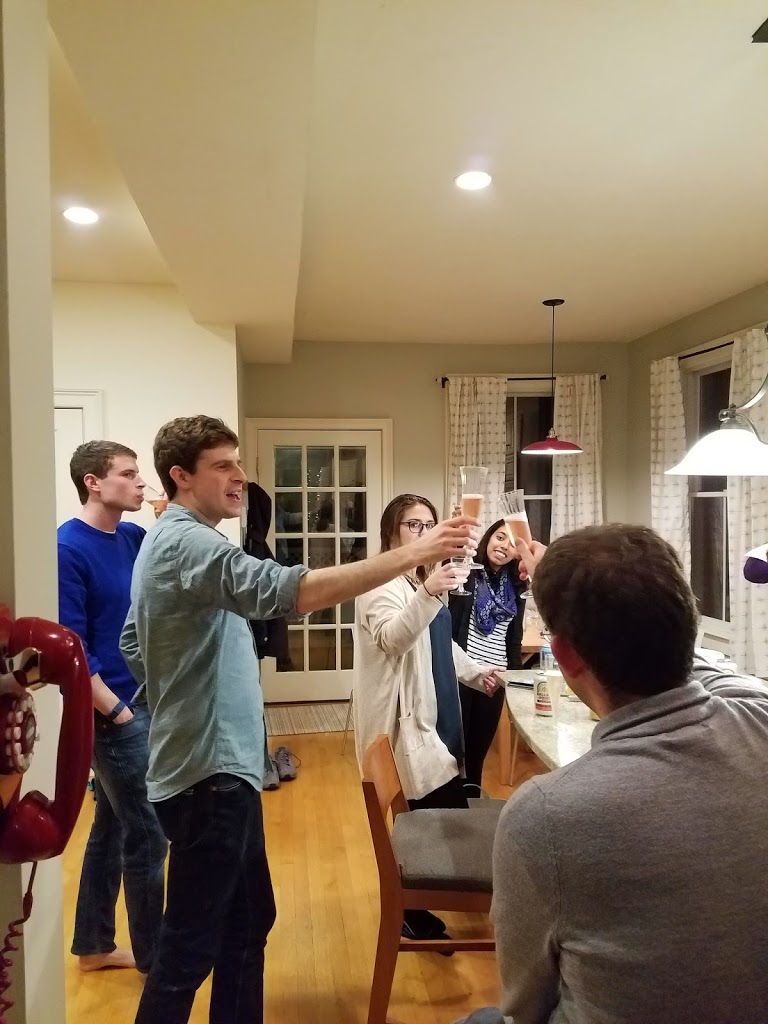
Toasting good fortune and hard work


Receiving the traditional lab gift


Dan will be missed!


Now, which brain is the pigeon?

Posted by Datta Lab

November 28, 2016

Greer, Bear et al featured on the MRC’s Biomedical Picture of the Week…

and can be found here. Note that the very next day the same blog posted a lovely pic from our friend Rachel Greenberg.

Posted by Datta Lab

November 17, 2016

NIPS Trailer

Check out this terrific trailer for our upcoming NIPS abstract (with Alex Wiltschko, Matt Johnson, Ryan Adams and David Duvenaud) put together by David – it does a really nice job explaining the value of merging a model-based approach with neural nets. The combination allows clear articulation of model structure – and maintenance of semantic meaning – while simultaneously taking advantage of flexibly learned feature embeddings. We think this is going to be an important and general method for capturing structure in high-dimensional data. If you are at NIPS this year, check it out!

Posted by Datta Lab

October 9, 2016

Dr. Tan!

Congratulations to Tari Tan for successfully defending her thesis! Tari did an amazing job explaining her work on the structure and function of the necklace olfactory system. We won’t even try to summarize Tari’s tenure in the lab, but her hard work, integrity, insight and sense of joy played an crucial role in making the lab what it is in spirit and in science. She has single-handedly re-written our thinking about the structural basis of olfactory perception – keep a weather-eye out for her work in the next few months, and you’ll see what we mean πŸ™‚ We would bemoan her absence from our lives, but she is taking a job as the curriculum fellow for the Program in Neuroscience β€” she is going to be in charge of modernizing the way graduate students at Harvard learn about the brain β€” and she’ll be continuing (at least for a while) in the lab on the side. So this is not so much goodbye as it is a congratulations on an amazing job! Here’s to the newly minted Dr. Tan!


Tari making fun of Bob…
…and Bob emphasizing how much Tari loves the Pats!


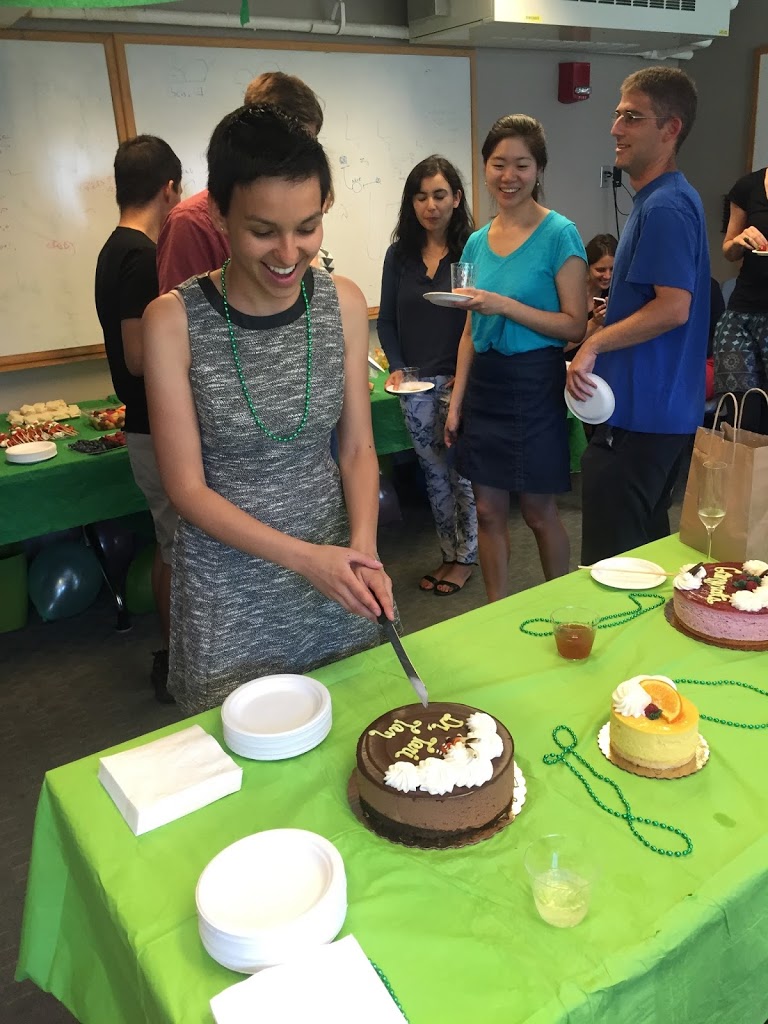
Post-defense cake


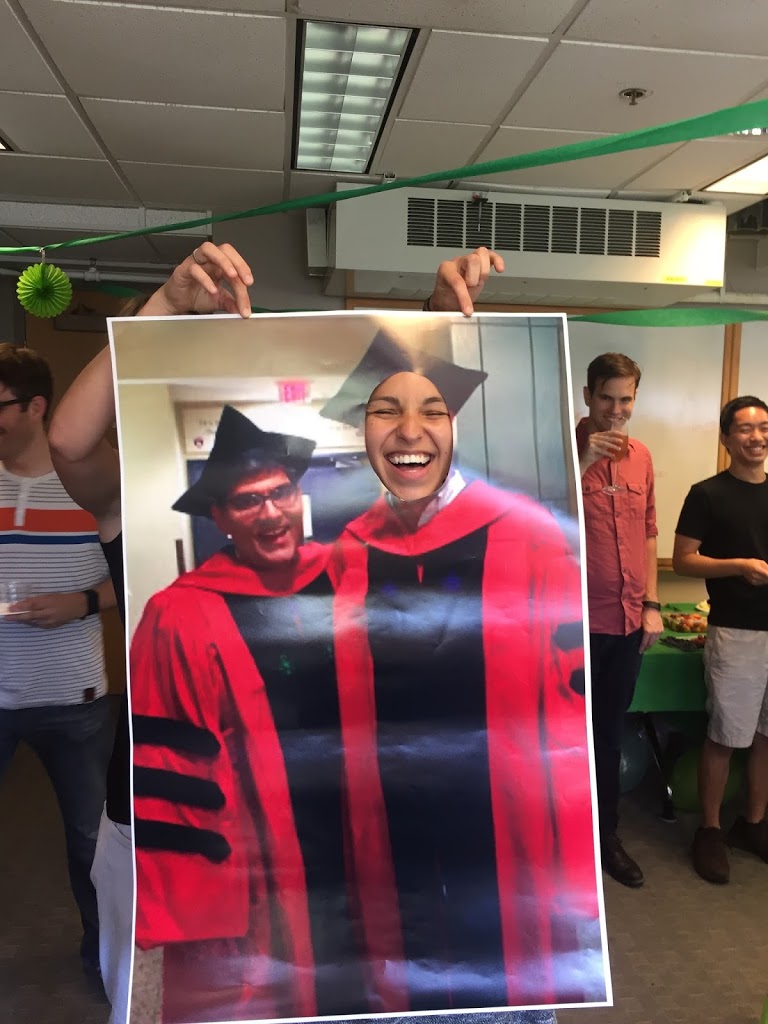
Since robes won’t be worn until the Spring, this will have to do for now


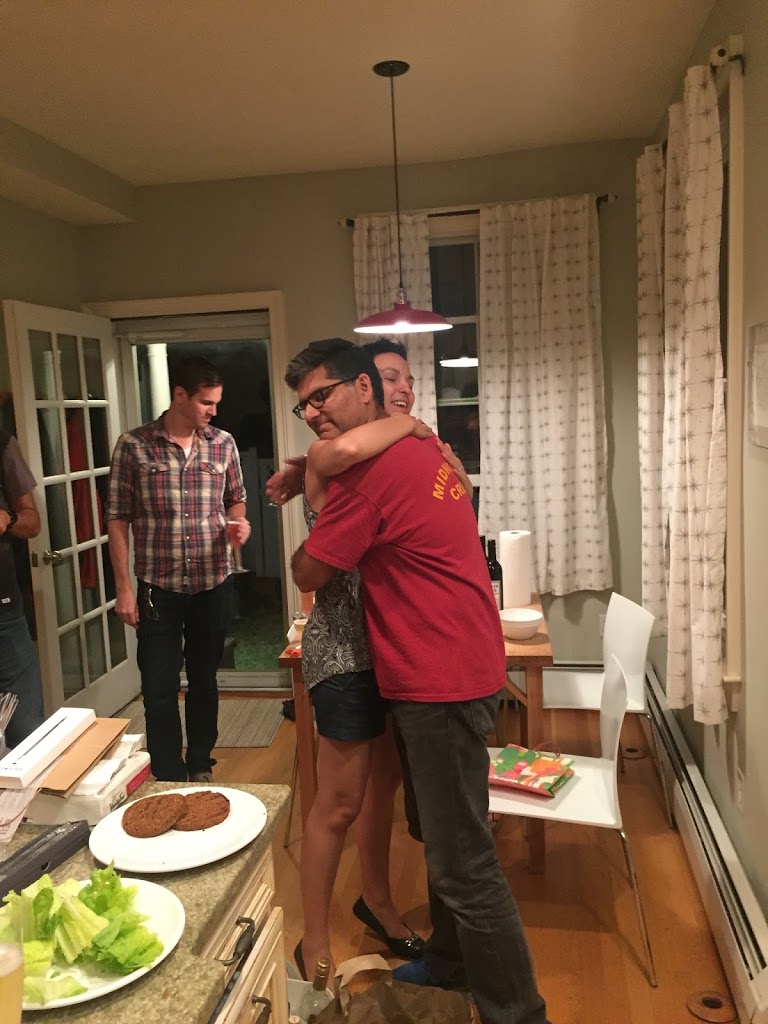
Happy Graduation Tari!


Posted by Datta Lab

« Newer Posts
Older Posts »

Primary Sidebar

Blog Archive

  • February 2026
  • December 2025
  • January 2025
  • May 2024
  • June 2022
  • January 2022
  • December 2021
  • December 2020
  • November 2020
  • October 2020
  • August 2020
  • May 2020
  • April 2020
  • March 2020
  • January 2020
  • December 2019
  • November 2019
  • August 2019
  • June 2019
  • October 2018
  • July 2017
  • June 2017
  • May 2017
  • April 2017
  • February 2017
  • December 2016
  • November 2016
  • October 2016
  • July 2016
  • June 2016
  • April 2016
  • March 2016
  • December 2015
  • October 2015
  • September 2015
  • May 2015
  • October 2014
  • January 2014
  • January 2013
  • October 2012
  • June 2012
  • May 2012
  • February 2012
  • December 2011
  • October 2011
  • August 2011
  • July 2011
  • April 2011
  • March 2011
  • February 2011
  • January 2011
  • November 2010
  • October 2010
  • September 2010
  • July 2010

HISTORY SHOWS AGAIN AND AGAIN HOW NATURE POINTS OUT THE FOLLY OF MEN – “GODZILLA,” BLUE OYSTER CULT

Sandeep Robert Datta, MD, Ph.D Department of Neurobiology Harvard Medical School